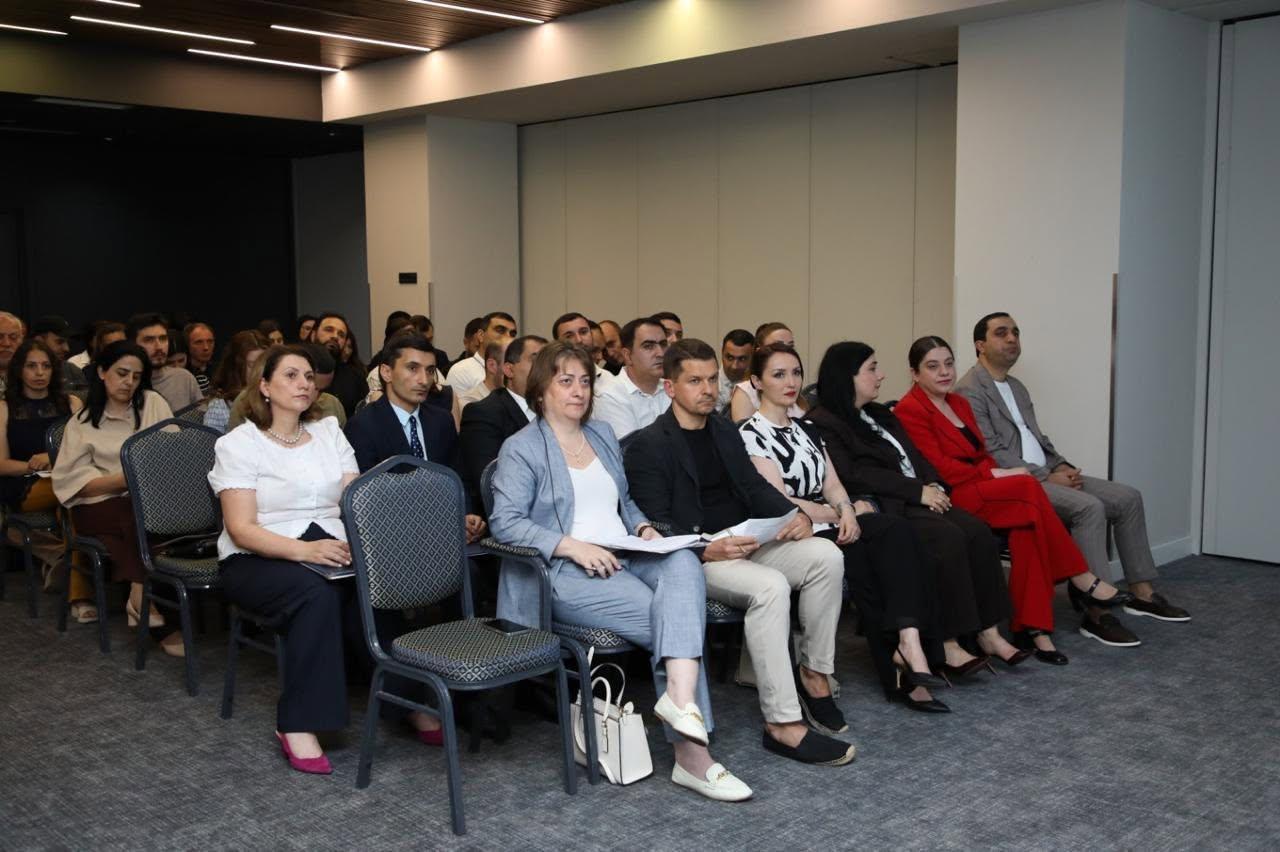
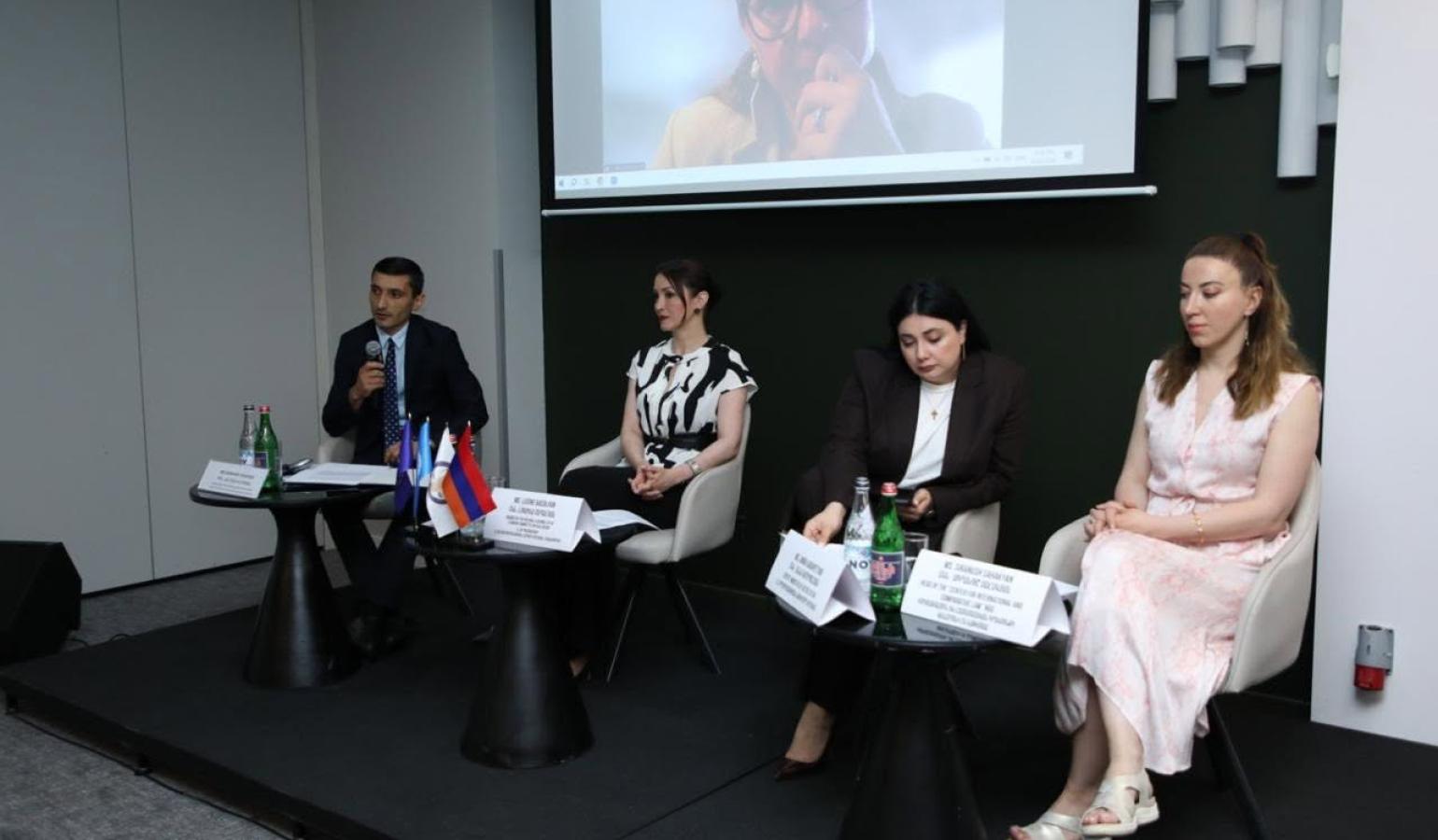
On the International Day in Support of Victims of Torture, the Office of the Human Rights Defender organized a discussion dedicated to the prevention of torture, the protection of the rights of victims, and the effective investigation of torture cases. The discussion was attended by representatives of state bodies, members of the National Assembly, civil society organizations, international partners, and experts in the field.
The opening remarks were delivered by Human Rights Defender Anahit Manasyan, who emphasized that cases of torture and ill-treatment continue to remain among the most serious challenges in the field of human rights protection despite positive developments over the past few years. She stressed the importance of the effective functioning of the National Preventive Mechanism, the introduction of video recording systems in places of deprivation of liberty, as well as the establishment of an institutional support mechanism for victims of torture and their family members.
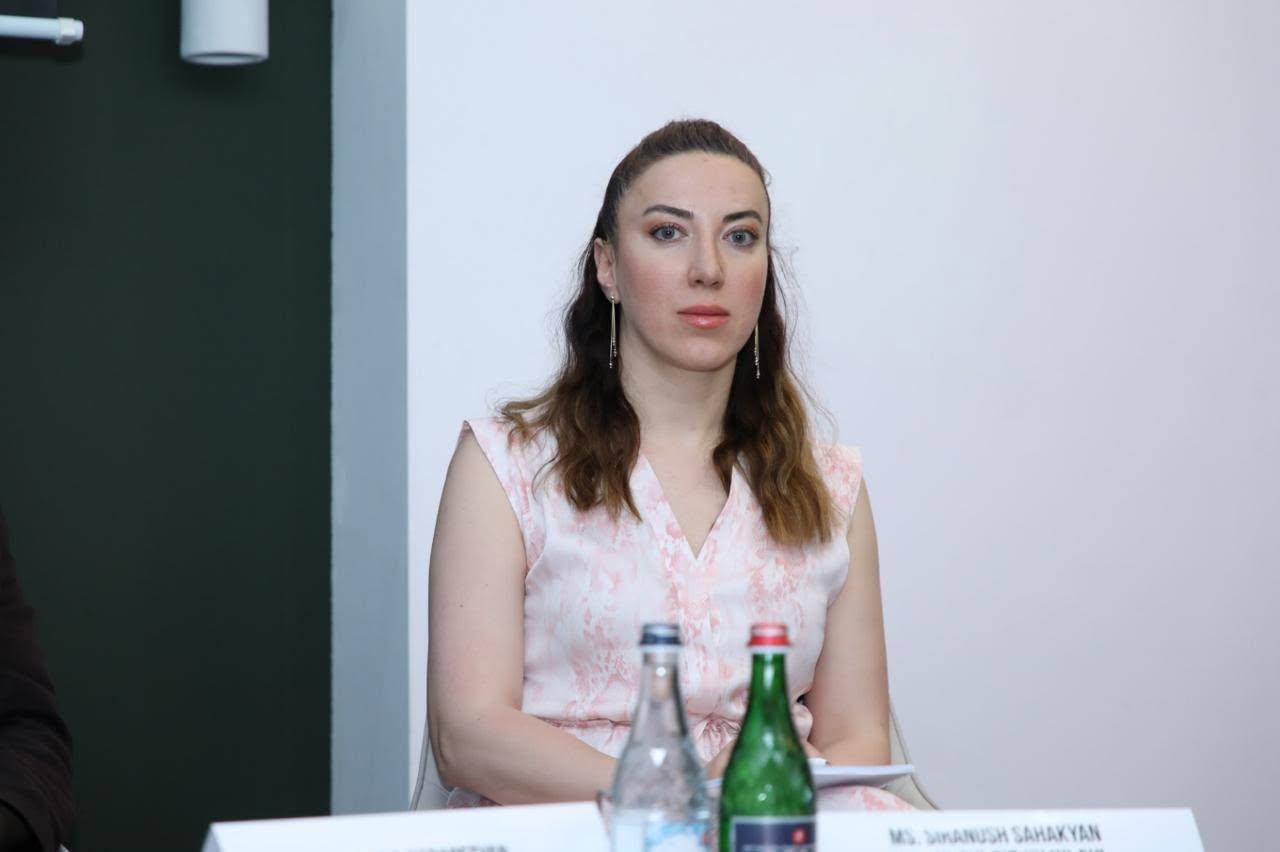
Siranush Sahakyan, director of the International and Comparative Law Center, also attended the discussion. She drew attention to the disproportionately lengthy duration of investigations and judicial proceedings in torture cases. In her assessment, justice in such cases is often delivered only after eight to ten years, which not only undermines the effectiveness of justice but also deepens the trauma caused by torture for the victims and their families. Siranush Sahakyan stressed that investigations into such cases should be conducted as expeditiously as possible, ensuring both the timely identification of those responsible and the application of appropriate accountability.
Sahakyan also raised the issue of access to legal assistance for victims of torture. According to her, under the current legislative framework, free legal aid is generally available only at the compensation stage. This leaves victims deprived of professional legal assistance precisely during the stages of documenting the act of torture, resulting in an ineffective investigation that does not hold those responsible accountable.
During the discussion, two thematic panel sessions were held to discuss the existing mechanisms for supporting victims of torture and the effective investigation of criminal cases in relation. In an open dialogue format, participants addressed the existing challenges in the field and presented proposals aimed at overcoming them.
At the end of the discussion, the participants reaffirmed that an effective system for the prevention of torture is only possible through sustained cooperation among state bodies, international organizations, and civil society. The full protection of the rights of torture victims requires not only legislative reforms but also practical and institutional reforms.