
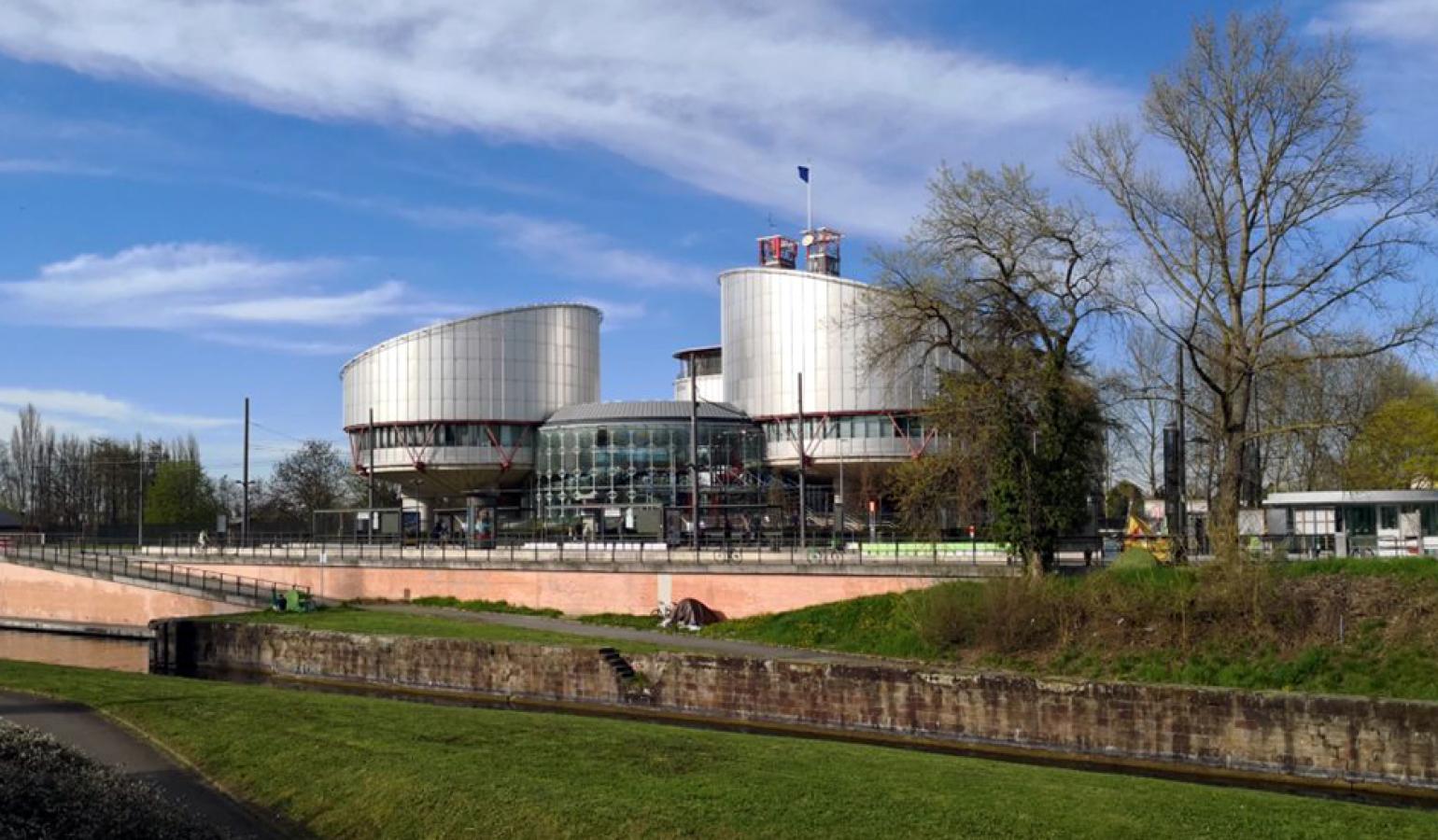
The case of Adamyan and Hakobyan against Azerbaijan is pending in the European Court of Human Rights (ECtHR). The Court has taken a decisive step forward in examining one of the most disturbing cases from the 44-day war of 2020 over Nagorno-Karabakh.
The application was submitted to the ECtHR through the joint efforts of Siranush Sahakyan, President of the Center for International and Comparative Law and former human rights lawyer Artak Zeynalyan. The human rights lawyers claim the violations of Article 2 (Right to Life), Article 3 (Prohibition of Torture), Article 8 (Right to Respect of private and family life) and Article 14 (Non-discrimination) of the European Convention of Human Right. The application also raises grave breaches of international humanitarian law, particularly regarding the treatment and protection of prisoners of war.
The communication of the case by the ECtHR, along with the Court’s decision to invite further observations from the applicants on the merits, marks a significant milestone. It confirms that the Court has reviewed the facts and circumstances of the application and considers the allegations sufficiently serious to proceed with an in-depth examination. This is a critical development in the pursuit of justice and accountability for the victims and their families.
The legal team remains firmly committed to ensuring rigorous legal scrutiny throughout the proceedings and to continuing the fight for accountability through international legal mechanisms.
In a press release dated 2 November 2020, the UN High Commissioner for Human Rights expressed serious concern regarding atrocities shown in video recordings circulated through various channels, noting that the footage may indicate grave human rights violations.
The lawyers emphasize that these international concerns must be taken seriously and investigated thoroughly, and that such evidence should contribute to stronger accountability measures.
This case goes beyond individual victims. It raises broader concerns about systemic issues of hatred, discrimination, and dehumanization that may have contributed to the commission of the war crimes. The outcome of the case could set important precedents for protecting human rights during armed conflicts and ensuring state responsibility for extrajudicial killings and the mistreatment of captured individuals under international law.
For Armenia, this case represents a crucial opportunity to pursue justice through international legal mechanisms for alleged atrocities committed against Armenian citizens during the 2020 war. A favorable ruling could strengthen Armenia’s ability to advocate for the rights of captured soldiers and civilians and reinforce the international community’s responsibility to uphold humanitarian law.
Most importantly, this case reminds us that no sustainable peace can be achieved without justice. Genuine peace requires confronting allegations of war crimes and ensuring accountability for grave human rights violations.
Legal action before international courts is a long and demanding process requiring sustained expertise, documentation, and advocacy. Supporting this work means supporting the fight for justice for victims and their families, and reinforcing the principle that war crimes must not go unpunished.
For the details of the case, kindly view the document attached "The background of the case."
Follow the link to view the case details in ECtHR database: ADAMYAN AND HAKOBYAN v. AZERBAIJAN