
“If waivers of International claims take place, this puts an end to the pursuit of justice, and Azerbaijan essentially legitimizes the international crimes committed against ethnic Armenians, seeking to guarantee impunity for the large-scale crimes committed,” Siranush Sahakyan, director of the International and Comparative Law Center, stated in an interview with Panorama, addressing the provision on mutual waivers of international judicial proceedings envisaged by the initialled peace agreement between Armenia and Azerbaijan, its legal consequences, and the disparity in the potential legal concessions made by the parties.
According to Sahakyan, the relevant provision of the agreement envisages not only the withdrawal from ongoing interstate judicial proceedings, but also restrictions on the possibility of bringing legal disputes before international judicial bodies in the future, arising from relations that originated before the conclusion of the agreement. “As of now, we are aware of one case before the International Court of Justice, which is based on the UN Convention on the Elimination of All Forms of Discrimination. In other words, the international dispute raises a very sensitive issue that is significant in terms of the origins of the conflict: discrimination against ethnic Armenians pursued at the state level. There are also four judicial proceedings that have been initiated before the European Court of Human Rights,” said Sahakyan. She also does not rule out that, under a broad interpretation of the provision of the agreement, the waiver could extend to the case brought against Türkiye concerning its involvement in the 44-day war. The lawyer emphasized that the relevant provision of the agreement does not have legal force at this stage, and that the waivers must take place within one month after the document enters into force. At the same time, she noted that the termination of interstate judicial proceedings is not limited to the parties’ waiver alone: the final decision rests with the respective courts.
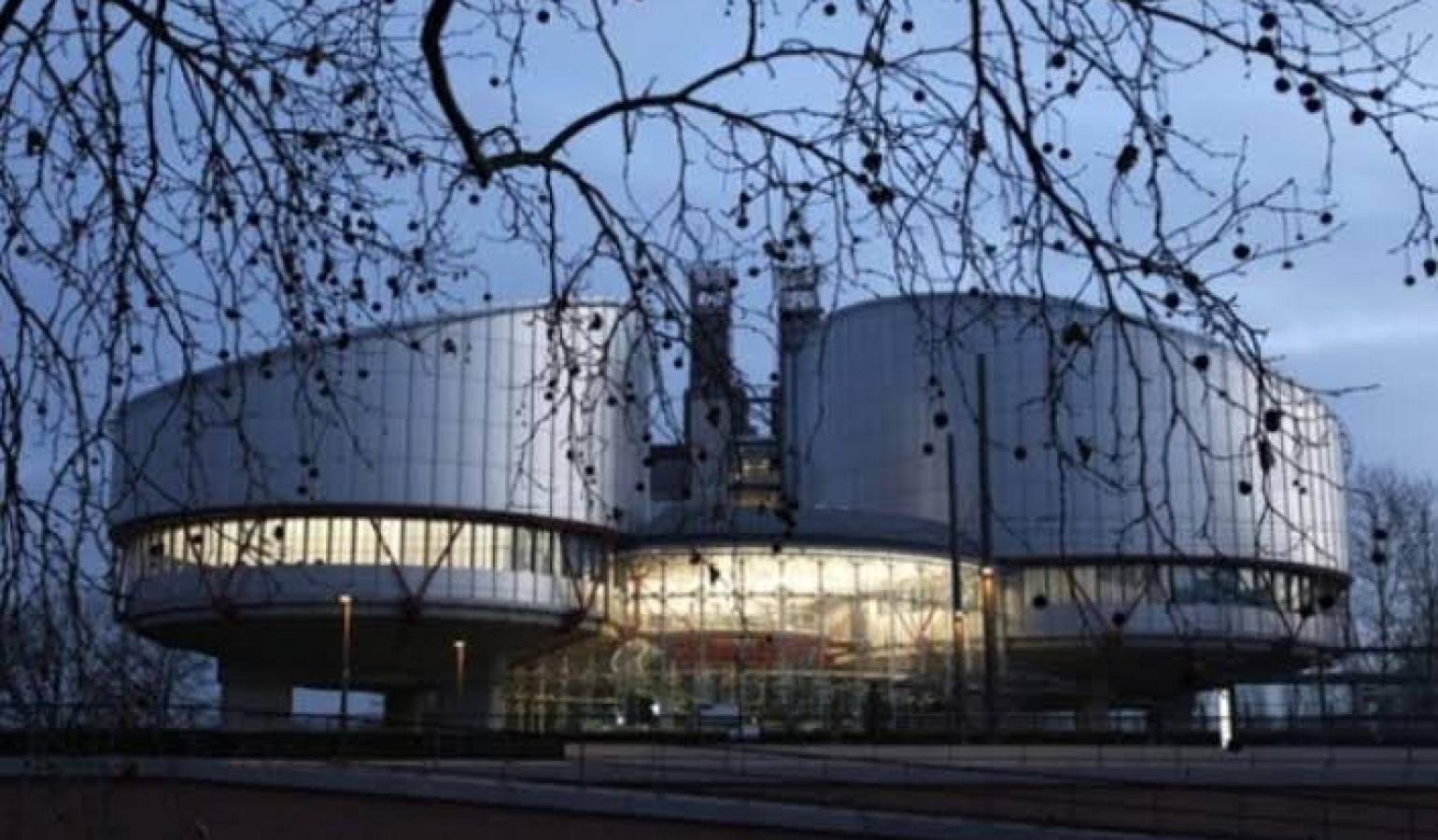
Addressing the possible termination of cases before the European Court of Human Rights, Sahakyan noted that the Court may take the interests of justice into account and decide to continue examining a case even if the parties waive their procedural rights. In her assessment, the need for such an approach may arise particularly in cases concerning the unremedied rights of individuals and ongoing violations.
Addressing the legal equivalence of the mutual waivers, Sahakyan noted that the legal value and significance of the claims brought by Armenia and Azerbaijan are not identical. Armenia is an injured State whose citizens have been subjected to aggression, forced displacement and other serious consequences, whereas the claims brought by Azerbaijan are primarily tactical in nature and according to experts, lack sufficient legal and factual grounds. “I should note that, following Armenia’s application against Azerbaijan before the UN International Court of Justice on the grounds of discrimination, Azerbaijan before the UN International Court of Justice on the grounds of discrimination, Azerbaijan also filed one case against Armenia. Before the European Court objectively had no jurisdiction to address those events. They also filed cases with the Permanent Court of Arbitration, as you know, on the bases of the Energy Charter Treaty and the Bern Convention. Having examined those applications, experts firmly believe that they see no serious legal or factual grounds on which Armenia could lose the legal proceedings,” said Sahakyan.
According to the human rights defender, waiving interstate judicial proceedings may have not only legal but also serious political and psychological consequences. She emphasized that one of the important objectives of international accountability is also the prevention of future crimes, and that undermining these mechanisms may increase the risk of further violations being repeated in the region.